

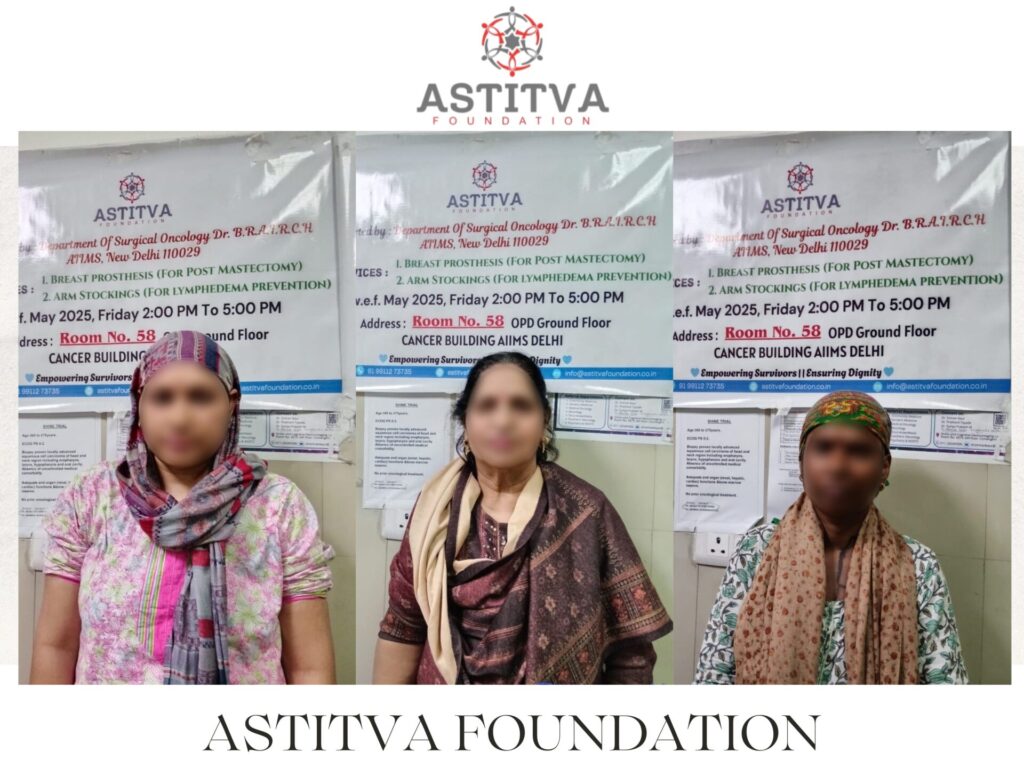
On 30 January, a meaningful and impactful Survivor Empowerment Program was organized by AIIMS Delhi in collaboration with Astitva Foundation, with a strong focus on awareness, emotional healing, and survivor support. This initiative was designed to provide survivors with not only medical guidance but also psychological strength, confidence, and a renewed sense of hope.
The program stood as a reminder that survival is not the end of a journey—it is the beginning of a new chapter of courage, recovery, and empowerment. Survivors were welcomed into a safe and supportive environment where their voices were heard, their struggles were acknowledged, and their strength was celebrated.
Purpose of the Program
The Survivor Empowerment Program aimed to create a platform where survivors could gain knowledge, emotional reassurance, and social connection. The key objectives of the event were:
- To spread awareness about post-treatment care and long-term well-being
- To address emotional and mental health challenges faced by survivors
- To encourage self-confidence and independence
- To build a strong support network for survivors
- To promote early detection, healthy lifestyle choices, and regular medical follow-ups
By focusing on both physical and emotional recovery, the program emphasized a holistic approach to healing.
A Safe Space for Survivors
One of the most powerful aspects of the event was the creation of a safe and judgment-free environment. Survivors were encouraged to openly share their stories, fears, and hopes. Listening to each other’s journeys helped participants feel less alone and more understood.
Many survivors expressed that after completing treatment, they often feel isolated or anxious about the future. This program addressed that gap by bringing them together and showing them that recovery is not a solitary path. Instead, it is a shared experience strengthened by compassion and understanding.
Expert Guidance and Medical Awareness
Medical professionals and counselors from AIIMS Delhi provided valuable insights into:
- Post-treatment care and follow-up routines
- Managing side effects and long-term symptoms
- Nutrition and lifestyle modifications
- Importance of mental health and stress management
- Warning signs that should never be ignored
The experts emphasized that survivorship does not mean the end of care. Regular check-ups, emotional support, and self-awareness are essential for maintaining a healthy and balanced life.
Through simple and clear explanations, survivors were empowered with knowledge that builds confidence and reduces fear of the unknown.
Emotional Healing and Mental Strength
A major highlight of the program was its focus on mental and emotional well-being. Survivors often carry invisible scars such as anxiety, depression, and fear of recurrence. These challenges can be just as difficult as physical recovery.
The program included interactive sessions that helped survivors:
- Express their emotions freely
- Understand the importance of self-care
- Learn relaxation and coping techniques
- Develop a positive outlook toward life
Participants were reminded that asking for help is not a sign of weakness—it is a sign of strength. Emotional healing was presented as an essential part of true recovery.
Survivor Stories: A Source of Inspiration
Listening to survivor stories created a powerful emotional connection among participants. Each story carried lessons of patience, resilience, and hope. Survivors shared how they overcame fear, faced social stigma, and rebuilt their lives after treatment.
These real-life journeys inspired others to believe that life after illness can still be meaningful and fulfilling. Many participants said they felt motivated after hearing these stories, realizing that they too could move forward with confidence.
Community Support and Togetherness
The collaboration between AIIMS Delhi and Astitva Foundation highlighted the importance of community involvement in survivorship care. NGOs play a crucial role in filling the emotional and social gaps that medical treatment alone cannot address.
Astitva Foundation worked closely with survivors to ensure they felt supported at every step. Volunteers offered assistance, emotional encouragement, and guidance, reinforcing the idea that survivors are not alone in their journey.
This partnership demonstrated how medical institutions and social organizations can work together to build a stronger support system for survivors.
Awareness Beyond Treatment
The program also focused on spreading awareness among survivors about:
- Early detection and regular screening
- Healthy habits such as balanced diet and exercise
- Avoiding harmful lifestyle choices
- Maintaining a positive mental state
- Building strong family and social relationships
By educating survivors, the initiative helped them become ambassadors of awareness within their families and communities. Their experiences can inspire others to seek help early and break the stigma associated with serious illness.
Empowerment Through Knowledge and Confidence
True empowerment comes from understanding one’s own body, emotions, and future possibilities. The Survivor Empowerment Program ensured that survivors left with:
- Increased confidence in managing their health
- Better emotional stability
- A renewed sense of purpose
- Stronger belief in their inner strength
Rather than focusing only on illness, the program celebrated survival and encouraged participants to live with dignity, courage, and optimism.
Impact of the Program
The positive response from participants showed the success of the initiative. Survivors expressed gratitude for:
- The warm and respectful atmosphere
- The opportunity to share and listen
- The practical knowledge gained
- The emotional comfort received
Many participants mentioned that the program helped them feel seen, heard, and valued. It transformed fear into strength and uncertainty into hope.
Looking Ahead
Programs like this are essential for creating long-term change in survivorship care. Healing does not end with treatment—it continues through emotional support, education, and social connection.
The Survivor Empowerment Program organized on 30 January by AIIMS Delhi and Astitva Foundation stands as an inspiring example of how institutions and NGOs can come together for a meaningful cause. It reminds us that survivors deserve not only medical care but also compassion, dignity, and opportunities to rebuild their lives.
Conclusion
The Survivor Empowerment Program was not just an event; it was a movement of hope and strength. By focusing on awareness, emotional healing, and community support, it created a space where survivors could rediscover their confidence and inner power.
Through expert guidance, shared experiences, and heartfelt interaction, survivors were reminded that they are more than their illness—they are symbols of resilience and courage. This initiative reinforced the belief that recovery is not just about surviving, but about truly living.
With continued efforts like this, society can move closer to a future where every survivor feels supported, respected, and empowered.