

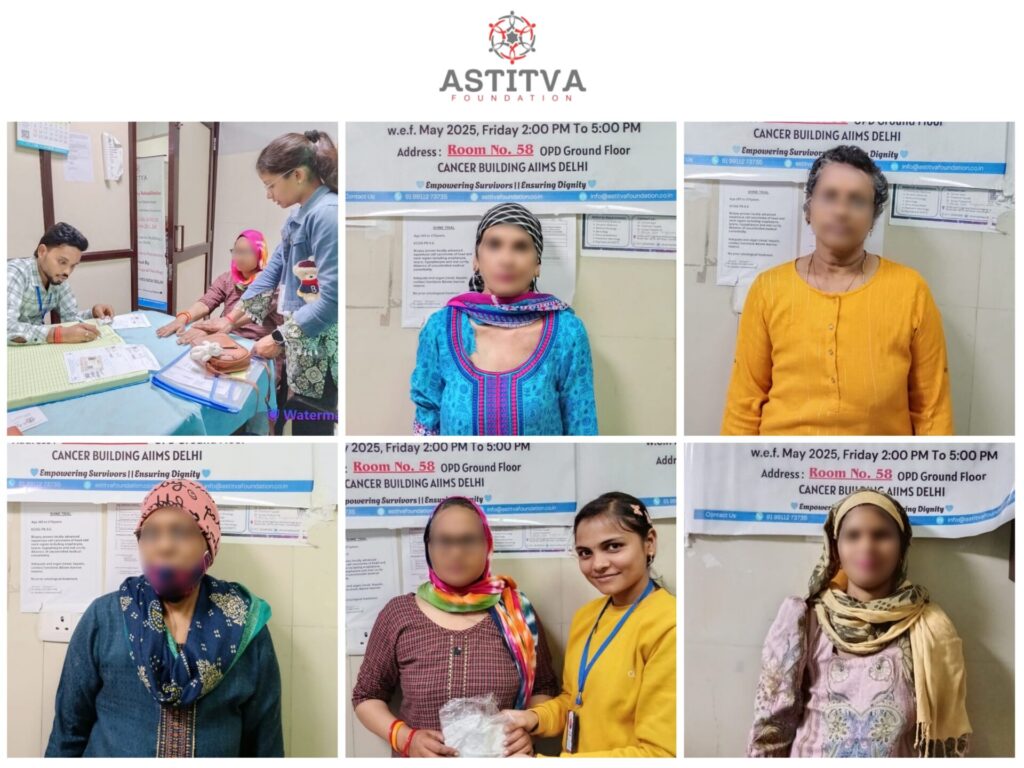
Awareness & Support Initiative by AIIMS Delhi and Astitva Foundation
Survival is not the end of the journey—it is the beginning of a new chapter. On 13 February, a powerful and compassionate Survivor Empowerment Program was organized with the shared vision of promoting emotional healing, confidence, and community support for survivors. This meaningful initiative, jointly conducted by AIIMS Delhi and Astitva Foundation, aimed to go beyond medical recovery and focus on the mental, emotional, and social well-being of survivors.
The program carried a strong message: healing is holistic, and no survivor should feel alone in their journey.
A Platform for Strength and Renewal
The Survivor Empowerment Program was designed to provide a safe and supportive space where survivors could express their feelings, share their experiences, and rediscover their inner strength. It brought together medical professionals, mental health experts, social workers, and survivors under one roof to create an environment of trust, encouragement, and understanding.
Rather than focusing only on illness or trauma, the program emphasized life after survival—how individuals can rebuild confidence, restore emotional balance, and re-engage with society with dignity and hope. The initiative reflected a growing understanding that recovery does not end with treatment; it continues through emotional resilience and social reintegration.
The Importance of Emotional Well-being
One of the key themes of the program was the importance of emotional health in the healing process. Survivors often face anxiety, fear of recurrence, low self-esteem, and emotional isolation. The event highlighted that these challenges are natural and should be addressed with the same seriousness as physical symptoms.
Expert sessions focused on:
- Managing stress and fear
- Coping with emotional trauma
- Developing positive self-image
- Strengthening family and social relationships
Through interactive discussions, survivors were encouraged to speak openly about their struggles and triumphs. This sharing created a sense of belonging and reassurance that they were not alone in their experiences.
Awareness as a Tool for Empowerment
Awareness plays a vital role in empowerment. The program included informative talks that helped participants understand their bodies, treatment outcomes, and lifestyle changes that can support long-term wellness. Medical professionals from AIIMS Delhi explained the importance of regular follow-ups, balanced nutrition, and healthy daily routines.
By equipping survivors with knowledge, the initiative aimed to reduce fear and confusion while building confidence. When people understand their health and options, they are better prepared to take control of their future. Awareness, therefore, became a bridge between survival and true recovery.
Community Support: Healing Together
Another powerful aspect of the Survivor Empowerment Program was the focus on community. Healing becomes stronger when it is shared. Survivors often feel disconnected from others who cannot fully understand their journey. By creating a platform where experiences could be exchanged, the program fostered mutual understanding and encouragement.
Group activities and open discussions helped survivors realize that:
- Their feelings are valid
- Their struggles are shared
- Their courage is inspiring
These interactions transformed individual pain into collective strength. Many participants expressed that hearing others’ stories gave them renewed hope and motivation to move forward with positivity.
Role of Astitva Foundation
Astitva Foundation played a crucial role in shaping the emotional and social framework of the program. With its commitment to survivor welfare and community empowerment, the foundation ensured that participants felt respected, heard, and valued.
The foundation’s approach centered on:
- Emotional support
- Social awareness
- Long-term survivor engagement
- Advocacy for mental health
By working closely with medical professionals from AIIMS Delhi, Astitva Foundation successfully combined clinical knowledge with compassionate care, creating a balanced and impactful initiative.
Medical Guidance from AIIMS Delhi
As a leading medical institution, AIIMS Delhi contributed expert guidance on survivorship care. Doctors and specialists addressed common health concerns faced by survivors and emphasized the importance of post-treatment monitoring and healthy lifestyle choices.
Their sessions reinforced the idea that:
- Survival is not just physical recovery
- Preventive care is essential
- Emotional stability improves physical health
- Medical and emotional support must go hand in hand
This integration of science and empathy made the program both informative and deeply reassuring for participants.
Rebuilding Confidence and Identity
For many survivors, one of the biggest challenges is regaining confidence and rediscovering identity after illness or trauma. The Survivor Empowerment Program focused strongly on self-worth and personal growth. Motivational talks encouraged participants to view themselves not as victims, but as warriors of resilience.
Participants were guided to:
- Accept their journey with pride
- Recognize their inner strength
- Set new life goals
- Embrace hope and purpose
This shift in mindset—from survival to empowerment—was one of the most meaningful outcomes of the initiative.
A Message of Hope
The Survivor Empowerment Program on 13 February was more than an event—it was a movement toward compassionate healing. It sent a powerful message that survival is not just about living, but about living well, with dignity, courage, and emotional balance.
Through awareness, expert guidance, and community bonding, the initiative helped survivors take confident steps toward a brighter future. It reminded everyone present that healing is not a destination, but a journey walked together.
Looking Ahead
Programs like this serve as a reminder that health care must extend beyond hospitals and medicines. Emotional well-being, social connection, and awareness are equally important pillars of recovery. The collaboration between AIIMS Delhi and Astitva Foundation stands as a strong example of how institutions and organizations can work together for holistic survivor care.
As awareness grows and more such initiatives are conducted, survivors will not only heal but thrive—transforming their pain into purpose and their journey into inspiration for others.
Conclusion
“Healing Beyond Survival” perfectly captured the spirit of the Survivor Empowerment Program held on 6 February. It was a day of courage, compassion, and community. By addressing emotional health, spreading awareness, and building support systems, the program empowered survivors to move forward with renewed strength and confidence.
Together, we heal.
Together, we rise.
Together, we go beyond survival.