

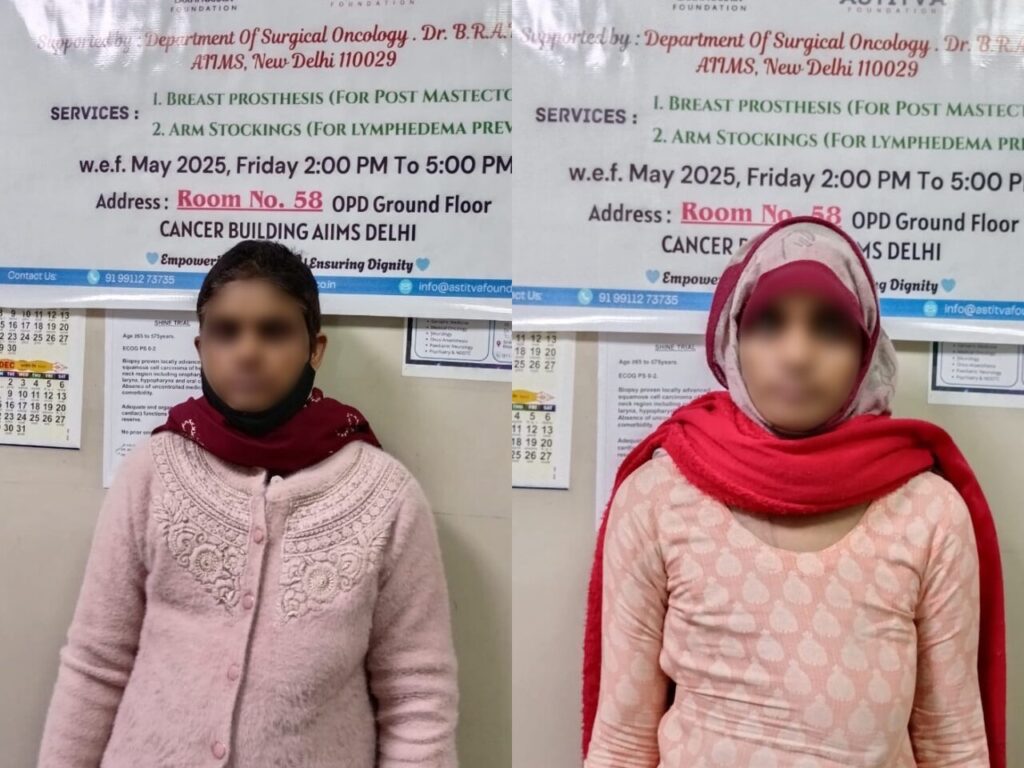
Cancer survival is not the end of a journey—it is the beginning of a new one. While medical science focuses on curing the body, true healing also requires care for the mind, emotions, and spirit. Recognizing this deeper need, Astitva Foundation, in collaboration with AIIMS Delhi, organized a powerful and meaningful Survivor Empowerment Program on 19 December, dedicated to celebrating strength, restoring confidence, and rebuilding lives after cancer.
This initiative stood as a testament to the belief that survivors are not defined by their illness, but by their courage, resilience, and ability to rise stronger than before. The program brought together medical experts, counselors, survivors, caregivers, and social leaders under one roof, united by a single purpose: to transform survival into strength.
Understanding Life Beyond Cancer
For many individuals, being declared “cancer-free” is often assumed to be the end of suffering. However, survivors know that recovery extends far beyond hospital discharge reports. Physical weakness, emotional trauma, anxiety about recurrence, social stigma, and loss of self-confidence frequently remain unaddressed.
The From Survival to Strength program was conceptualized to bridge this gap. It focused on the holistic rehabilitation of survivors, emphasizing emotional healing, self-worth, community support, and reintegration into normal life.
Astitva Foundation has long worked toward empowering women and promoting health awareness, while AIIMS Delhi brings unmatched medical expertise and credibility. Their collaboration ensured that the program was both scientifically grounded and emotionally nurturing.
The Vision Behind the Program
The central philosophy of the program was simple yet profound:
“Survivors do not need sympathy. They need strength, dignity, confidence, and opportunity.”
The empowerment program aimed to:
- Restore emotional balance after prolonged medical treatment
- Help survivors rediscover self-confidence and identity
- Create a safe space for sharing stories and experiences
- Provide expert guidance on mental health, nutrition, and lifestyle
- Build a strong survivor support community
Rather than focusing on illness, the event celebrated life, resilience, and inner power.
A Day of Healing, Learning, and Connection – 19 December
The program on 19 December was thoughtfully designed as an immersive experience rather than a formal conference. From the moment participants arrived, the atmosphere reflected warmth, respect, and hope.
1. A Welcoming Environment
Survivors were welcomed not as patients, but as warriors. The setting encouraged openness and comfort, helping participants feel seen, heard, and valued. Soft interactions, smiling faces, and supportive volunteers created a sense of belonging.
This was particularly important for survivors who had felt isolated during their treatment journey.
2. Expert Sessions by AIIMS Delhi Professionals
Medical and mental health experts from AIIMS Delhi played a crucial role in guiding survivors through post-treatment challenges. Their sessions focused on:
- Mental health after cancer
- Managing fear of recurrence
- Coping with anxiety, depression, and emotional fatigue
- Importance of follow-up care and lifestyle balance
The experts explained complex medical and psychological concepts in a simple, reassuring manner, helping survivors regain trust in their bodies and minds.
3. Emotional Healing and Counseling
One of the most impactful components of the program was its focus on emotional healing.
Group counseling and guided discussions allowed survivors to:
- Express unspoken fears and insecurities
- Share personal journeys without judgment
- Understand that their emotions were valid and shared by others
For many participants, this was the first time they openly spoke about their struggles beyond physical illness. Tears, smiles, and moments of silence all became part of a collective healing process.
Survivor Stories: Voices of Courage
Perhaps the heart of the event lay in the stories of survivors themselves.
Women and men who once faced uncertainty, pain, and fear stood confidently to share their journeys—from diagnosis and treatment to recovery and rediscovery of self. These stories were not about suffering alone, but about:
- Finding inner strength during the darkest times
- Learning to accept changed bodies and identities
- Rebuilding family and social relationships
- Transforming pain into purpose
Each story served as a reminder that survival is not just about staying alive—it is about living fully again.
Empowerment Through Knowledge and Self-Care
The program emphasized that empowerment begins with awareness and self-care. Sessions were conducted on:
Nutrition and Wellness
Survivors were guided on:
- Post-treatment nutrition
- Boosting immunity naturally
- Maintaining energy levels
- Sustainable lifestyle habits
Rather than restrictive rules, the focus was on balance, nourishment, and self-respect.
Physical and Mental Fitness
Experts highlighted the role of:
- Light physical activity
- Mindfulness and breathing techniques
- Yoga and meditation for emotional stability
These practices were introduced as tools for long-term well-being, not temporary solutions.
Breaking the Stigma Around Cancer
A critical objective of the empowerment program was to challenge and break the social stigma associated with cancer.
Despite medical advancements, many survivors continue to face:
- Social isolation
- Misconceptions about their health
- Reduced confidence in professional and personal life
Through open discussions and awareness talks, the program reinforced that:
- Cancer is not a weakness
- Survivors deserve respect, inclusion, and opportunity
- Society must shift from sympathy to support
Astitva Foundation strongly emphasized the role of community in creating an environment where survivors can thrive without fear or discrimination.
Astitva Foundation: Championing Dignity and Strength
Astitva Foundation’s involvement brought a deeply human and empathetic dimension to the event. Known for its work in women’s empowerment and health awareness, the foundation believes that every individual has an identity beyond illness.
Through this initiative, Astitva Foundation reaffirmed its commitment to:
- Creating survivor-centric programs
- Supporting emotional rehabilitation
- Encouraging leadership and confidence among women
The foundation’s approach was not to “fix” survivors, but to walk beside them as they rediscovered their strength.
The Role of AIIMS Delhi: Medical Excellence with Compassion
AIIMS Delhi’s participation added immense value and trust to the program. Beyond clinical excellence, the institute’s professionals demonstrated deep compassion and understanding of survivor needs.
Their involvement ensured:
- Accurate medical guidance
- Evidence-based mental health support
- Long-term survivorship care perspectives
This collaboration highlighted how medical institutions and social organizations can work together to deliver truly holistic healthcare.
Building a Survivor Community
One of the lasting outcomes of the 19 December program was the formation of a strong survivor network.
Participants exchanged contact details, formed support circles, and committed to staying connected beyond the event. This sense of community helped survivors realize they were not alone, even after the program concluded.
Such networks play a crucial role in:
- Emotional resilience
- Continued motivation
- Peer support during difficult moments
From Survival to Strength: A Movement, Not Just an Event
This empowerment program was not a one-day celebration—it was a movement toward redefining survivorship.
It conveyed a powerful message:
Healing is not just medical. Strength is not just physical. Empowerment is a lifelong journey.
By focusing on dignity, confidence, and emotional well-being, the initiative set an example of how survivorship programs should be designed in the future.
Looking Ahead: The Road Forward
The success of the From Survival to Strength program on 19 December has opened doors for future initiatives. Astitva Foundation and AIIMS Delhi aim to expand such programs to reach more survivors across communities.
Future goals include:
- Regular survivor empowerment workshops
- Awareness campaigns for early detection
- Mental health support platforms
- Advocacy for survivor rights and inclusion
Each step forward brings society closer to a world where cancer survivors are celebrated for their strength—not defined by their past illness.
Conclusion: Celebrating Strength, Honoring Life
The From Survival to Strength: Empowerment Program by Astitva Foundation & AIIMS Delhi was a reminder that survival is not the finish line—it is the foundation of a stronger, more empowered life.
On 19 December, survivors walked in with stories of pain and walked out with renewed confidence, hope, and connection. The program honored their journeys, validated their emotions, and celebrated their resilience.
In every shared story, every supportive gesture, and every moment of understanding, one truth stood clear:
Survivors are not victims. They are symbols of strength, courage, and transformation.